
Beauty, Ugliness, and Human Worth
The Hunchback of Notre DameThis thematic thread contrasts outward appearance with the capacity for compassion, fidelity, and cruelty.
increasing Bearing strength in each event
 decreasing
Bearing strength in each eventdecreasingThe Grotesque Crown

Ugliness as Entertainment
The people choose Quasimodo
At the Feast of Fools, the crowd elects Quasimodo for his extraordinary face and body. His difference becomes a spectacle that wins temporary acclaim.
Dignity on loan
The mock crown lets him experience pride, but the admiration depends on ridicule. Public celebration does not free him from exclusion.
Beauty Under Judgment
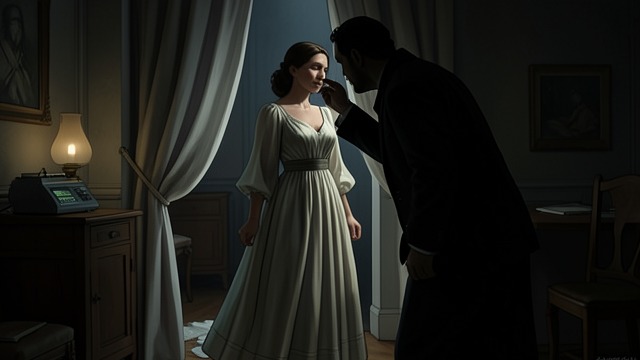
A Performer Recast
Grace becomes suspicion
Esmeralda’s beauty and performance once draw admiration in public squares. In court, prejudice turns her difference into evidence of witchcraft.
Appearance replaces proof
The same spectators who enjoy Djali’s tricks accept them as demonic under judicial authority. Beauty offers no protection when institutions have decided what it means.
A Beautiful Captain

Surface and Character
Phoebus admired
Esmeralda associates Phoebus’s handsome appearance with honor and safety. His charm obscures his willingness to mislead her and avoid responsibility.
A contrast in conduct
Quasimodo’s appearance repels her, while his actions repeatedly protect her. The gap between appearance and worth becomes painful rather than abstract.
The Earthenware Lesson
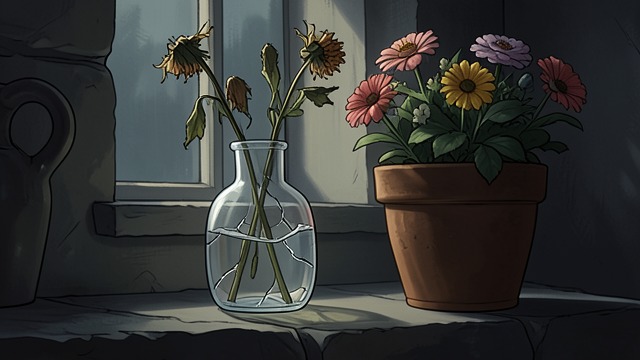
Two Vessels
A quiet comparison
Quasimodo leaves flowers in a cracked glass vase and a sturdy earthenware pot. The glass loses its water; the rough pot keeps its flowers fresh.
A lesson without words
Esmeralda wears the faded flowers, unaware of the full implication. The image contrasts beauty that cannot sustain care with an unlovely vessel that preserves life.
A Beauty of His Own

Courage Transforms the Image
Strength used for protection
Quasimodo breaks through the executioners and carries Esmeralda into sanctuary. His care makes the crowd see dignity where it had seen a monster.
The judgment reversed
For a moment, he appears beautiful because his actions are generous and brave. The novel’s moral measure is conduct, not bodily harmony.
January 6, 1482
Spring 1482, during Esmeralda’s trial
The weeks of Esmeralda’s sanctuary
During Esmeralda’s refuge at Notre-Dame
The moment Quasimodo rescues Esmeralda
